How Much Does Custom Software Cost in Singapore?
What Custom Software Actually Costs
The gap between S$3,500 and six figures isn't vendor greed, it's scope. Here's how to read any quote.
Focused First Module
From ~S$3,500
4 – 8 weeks
One workflow, one or two roles, minimal integration.
Departmental System
Tens of thousands
2 – 4 months
Several linked workflows, a few roles, one or two integrations.
Operations Platform
Six figures
6+ months, phased
Finance, ops, inventory, portal, several integrations.
Scope is the one thing you control
What Actually Drives the Number
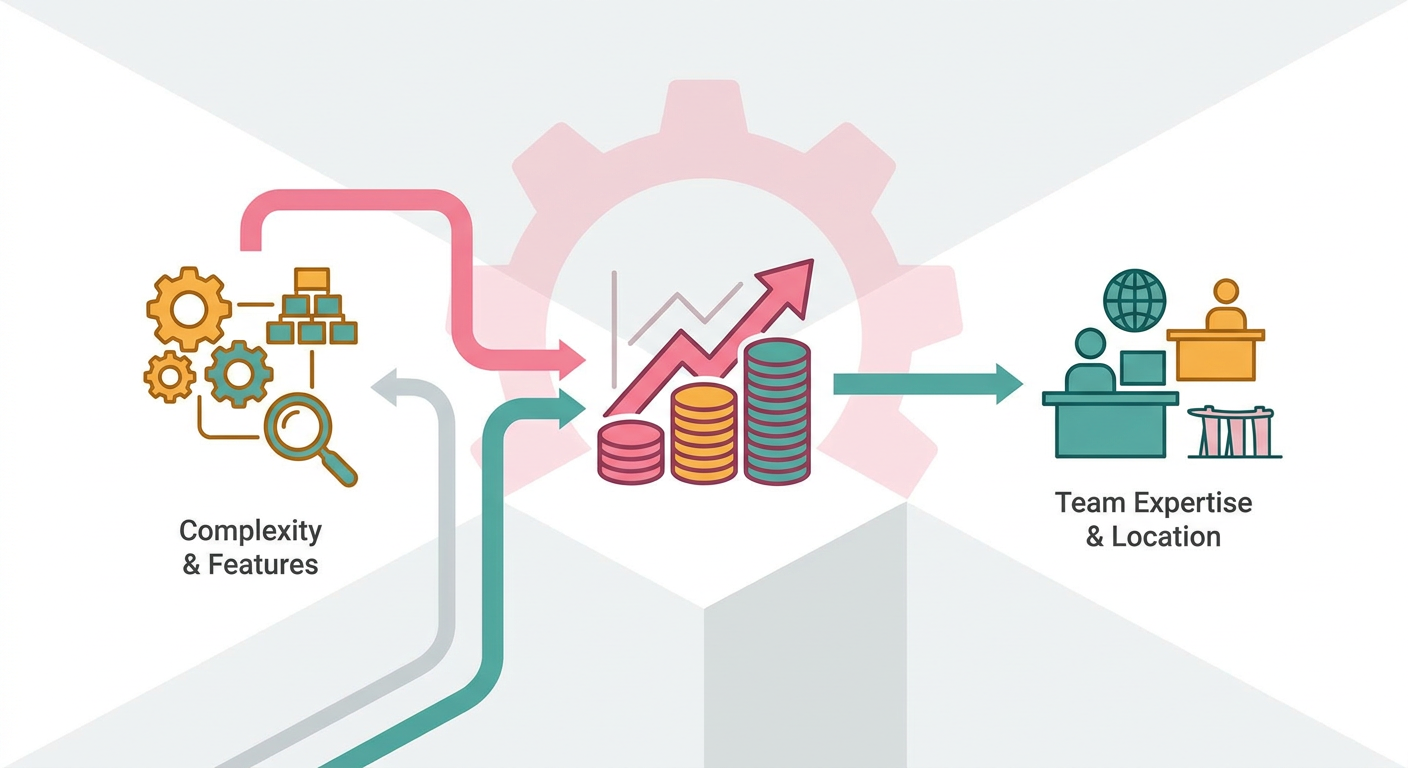
Six factors vendors rarely itemise clearly
Distinct Workflows
The single biggest driver, and the most underestimated. "A CRM" is one system. Add quoting, approvals, and a portal and it's four.
Integrations
Each external system adds cost unpredictably. Modern APIs are cheap; legacy file-exchange systems can cost more than the module they feed.
Roles & Permissions
One role is simple. Five roles with different visibility and approval limits multiply the testing surface, and that's where bugs live.
Data Migration
Moving data is straightforward. Cleaning it is not, and migrating bad data just relocates the problem into a more expensive system.
Compliance
PDPA, audit trails, InvoiceNow readiness, invisible in a demo, essential in production.
Who Builds It
Offshore day rates vs local teams produce different totals. The real cost includes your own hours spent managing the build.
Always ask for a fixed quote after a workflow review
And get code and data ownership in writing, it's what separates a custom build from an expensive rental.
Digital 9 Labs · digital9labs.com
The Honest Answer to "How Much Does Custom Software Cost?"
Most agency pages answer this question with a range so wide it is useless, then ask you to book a call. We will give you the actual shape of it, including our own starting price, and then explain what moves the number so you can read any quote you receive.
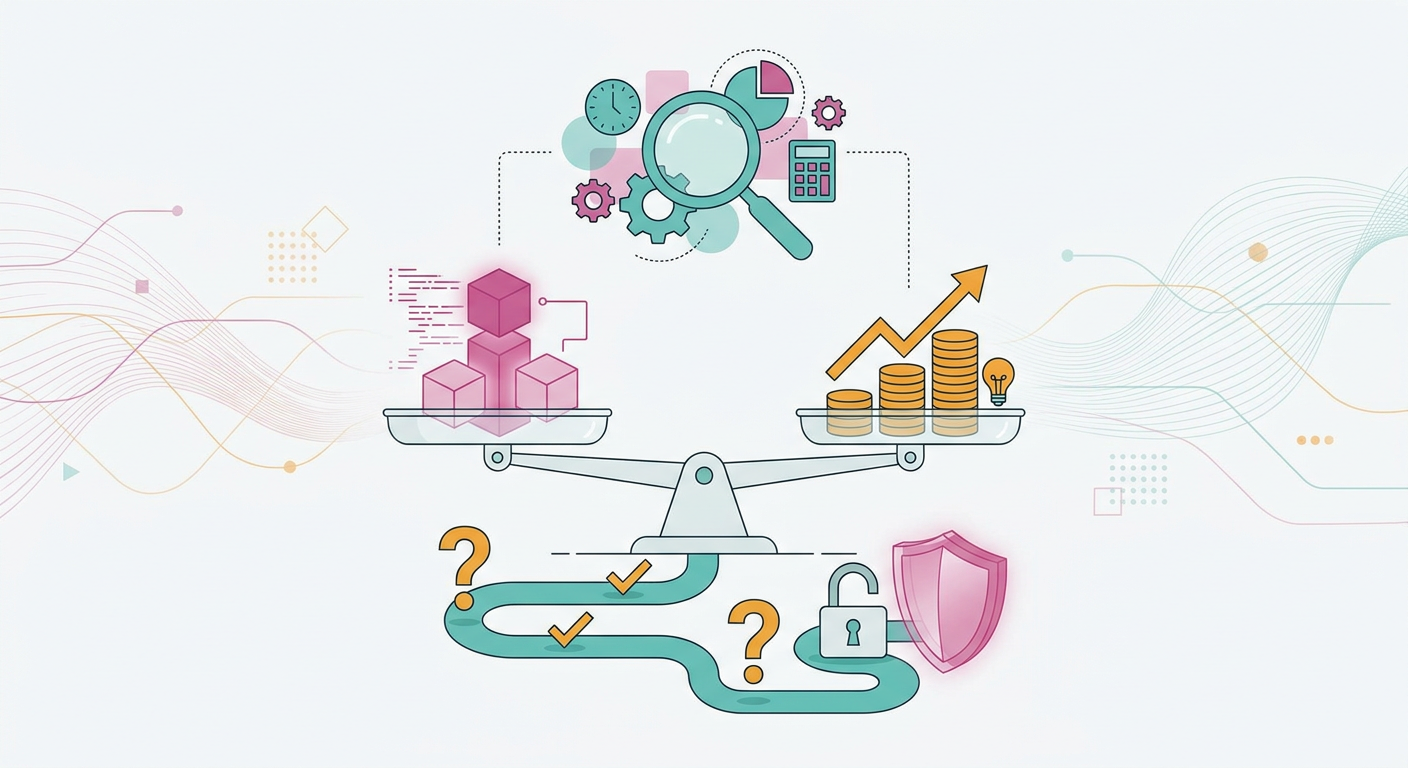
The short version for Singapore in 2026: a focused first module that solves one real workflow starts from around S$3,500. A departmental system typically runs into the tens of thousands. A full multi-module operations platform for a mid-sized company commonly runs into six figures. The gap between those numbers is not vendor greed, it is scope, and scope is the thing you control.
Why Nobody Publishes Prices
It is worth understanding the incentive. Custom software has no unit. A quotation module for a two-person florist and a quotation module for a construction firm with approval hierarchies, multi-currency and BOQ integration share a name and nothing else. Vendors who publish a price get held to it for work that was never comparable.
That is a real problem, not an excuse. But it means the useful question is not "what does custom software cost" but "what does this specific scope cost, fixed, in writing". Any vendor who cannot answer that after a proper workflow review is telling you something.

What Actually Drives the Number
1. Number of Distinct Workflows
This is the single biggest driver, and it is the one clients most often underestimate. "A CRM" is one workflow. "A CRM with quoting, approval routing, inventory allocation and a customer portal" is four systems that happen to share a database. Each has its own screens, rules, edge cases and testing.
2. Integrations
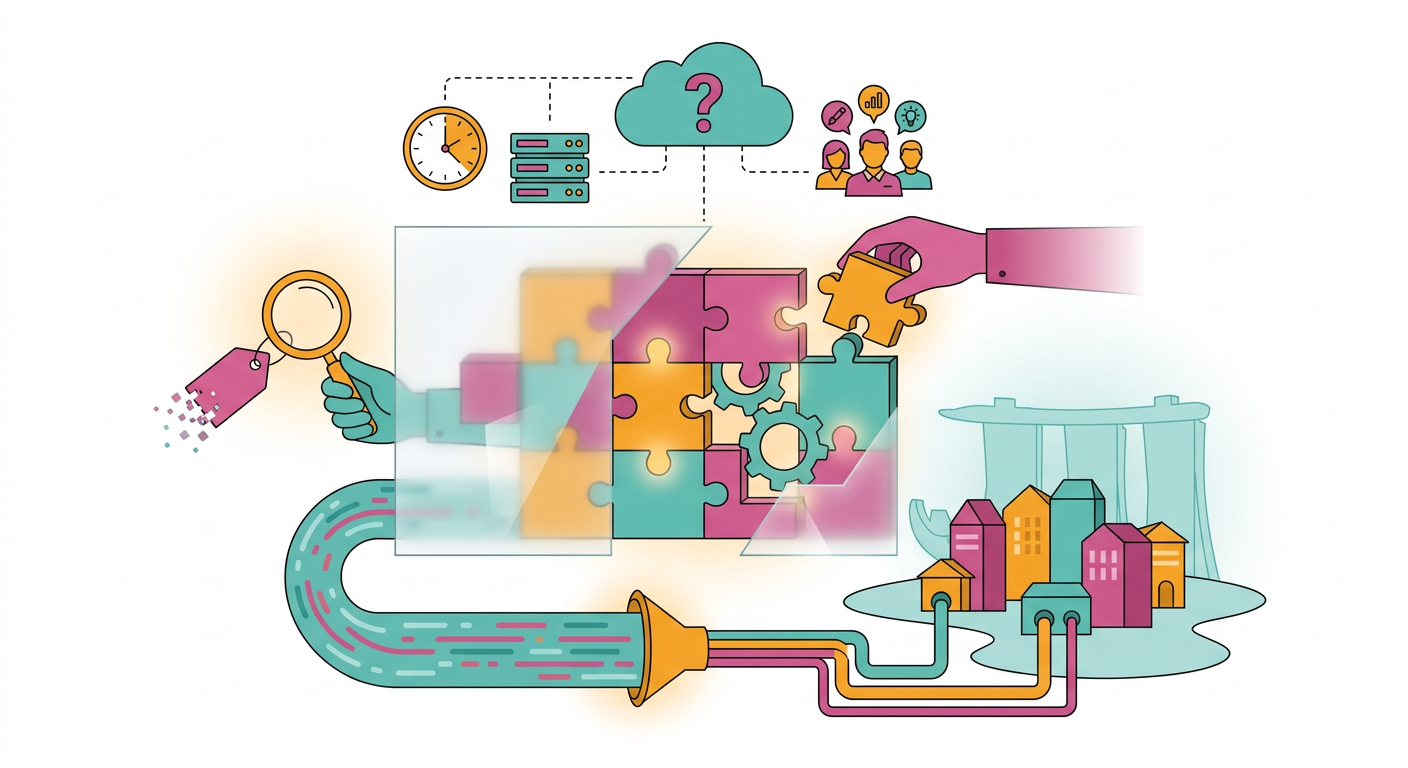
Every external system you connect adds cost, and adds it unpredictably because you do not control the other side. Accounting software, payment gateways, bank feeds, logistics providers, WhatsApp, InvoiceNow e-invoicing. A well-documented modern API is cheap to integrate. A legacy system with no API, or one that requires file exchange, can cost more than the module it feeds.
3. User Roles and Permissions
One role is simple. Five roles with different visibility, approval limits and edit rights multiply the testing surface. Permissions are also where custom software most often has bugs, so they deserve real budget rather than being treated as a checkbox.
4. Data Migration
Consistently underestimated. Moving data is straightforward. Cleaning it is not, and you cannot skip the cleaning, because migrating bad data into a new system just relocates the problem. If you have years of spreadsheets with inconsistent customer names, budget seriously for this.
5. Compliance and Audit Requirements
PDPA obligations, audit trails, financial controls and InvoiceNow readiness all add engineering that is invisible in a demo but essential in production.
6. Who Builds It
An offshore team at a low day rate and a Singapore team at a higher one produce very different totals for the same brief, and different amounts of your time spent managing them. Neither is automatically correct. The relevant question is total cost including your own hours, and who you can reach when something breaks at month end.
Rough Shape by Project Size
Treat these as planning brackets for scoping conversations, not quotes:
| Scope | Typical shape | Timeline |
|---|---|---|
| Focused first module (one workflow, one or two roles, minimal integration) | From about S$3,500 | 4 to 8 weeks |
| Departmental system (several linked workflows, a few roles, one or two integrations) | Tens of thousands | 2 to 4 months |
| Multi-module operations platform (finance, ops, inventory, portal, several integrations) | Six figures | 6 months or more, phased |
Our own approach is the first row deliberately. A first working module from S$3,500, live in four to eight weeks, with a fixed quote after the workflow review. Larger systems get phased so each part is adopted before the next arrives, rather than a big-bang launch nobody uses.
The Costs People Forget
The build price is not the total. Budget for:
- Hosting and infrastructure. Modest for most SME systems, but recurring.
- Third party services. Payment gateways, messaging, mapping, AI model usage. These are usage-based and grow with you.
- Maintenance. Dependencies need updating and browsers change. A system nobody maintains degrades.
- Change requests. Your business will change. Budget for evolution rather than treating every change as a failure of the original spec.
- Your own team's time. The largest hidden cost. Workflow reviews, testing, data cleaning and training all consume your people. A project where the client has no time to engage will go badly at any price.
Grants: How EDG Changes the Maths
For custom projects the relevant scheme is the Enterprise Development Grant, not PSG.
- PSG funds only pre-approved packaged solutions, at up to 50% of qualifying costs capped at S$30,000 per company per financial year. A custom build does not qualify.
- EDG supports up to 50% of eligible costs for local SMEs, with no pre-approved vendor list, covering third party consultancy, software and equipment, and internal manpower.
Both are reimbursement based, and both have the same disqualifier: the project must be new. No payment, no deposit, no signed contract before you apply. This catches people every year. If you are considering a grant, apply before you commit to anything.
The new EDGE grant is scheduled to launch in the second half of 2026 with details still pending, so projects planned now can apply under the current EDG before the switchover. Our PSG grant guide covers the packaged-solution side.
Source: Enterprise Singapore – Productivity Solutions Grant (PSG), Enterprise Singapore – Enterprise Development Grant (EDG)
When Custom Is the Wrong Answer
We turn down work on these grounds regularly, so it is worth saying plainly:
- An off-the-shelf product genuinely fits. If Xero, a standard CRM, or a packaged ERP covers your process, buy it. You will get it sooner, cheaper, and with a support ecosystem.
- You are under about ten people with straightforward processes. Spend the money on sales instead.
- Nobody internally owns the project. Custom software needs a decision maker who knows the workflow and has time. Without one it will drift regardless of budget.
- The real problem is process, not tooling. Automating a broken process produces a faster broken process.
How to Get a Quote You Can Trust
- Write down the three workflows that must work or the project has failed. Specific, not aspirational.
- Ask for a fixed quote after a workflow review, not a day-rate estimate off a phone call.
- Ask what is explicitly out of scope. A good quote says what it does not include.
- Ask who owns the code and the data, and get it in writing. This is the single most important commercial term.
- Ask for a phased plan with something usable early, so you can judge the team on delivered work rather than a slide.
- Ask what maintenance costs after handover.
If a vendor resists point four, stop there. Code and data ownership is what separates a custom build from an expensive rental.
Frequently Asked Questions
How much does custom software development cost in Singapore?
A focused first module solving one workflow starts from around S$3,500 and typically takes four to eight weeks. Departmental systems often run into the tens of thousands over two to four months. Full multi-module operations platforms commonly run into six figures and should be phased. The main drivers are the number of distinct workflows, integrations, user roles, data migration and compliance requirements.
Is custom software cheaper than off-the-shelf ERP?
Sometimes, over a long enough horizon, because there are no per-user licences and no forced upgrades. But if a packaged product genuinely fits your process, it is almost always cheaper and faster to buy it. Custom wins when the fit is poor, when per-user licensing does not suit a large operations team, or when your process is a competitive advantage.
Can I get a government grant for custom software in Singapore?
Not through PSG, which only funds pre-approved packaged solutions. Custom projects go through the Enterprise Development Grant, which supports up to 50% of eligible costs for local SMEs with no pre-approved vendor list. Apply before making any payment or signing a contract, or the project is disqualified.
Source: Enterprise Singapore – Productivity Solutions Grant (PSG), Enterprise Singapore – Enterprise Development Grant (EDG)
Who owns the code in a custom build?
You should. Insist on code handover and documentation as a contract term with any vendor. Without it you have paid build prices for something you cannot take elsewhere.
How long does custom software take to build?
Four to eight weeks for a focused first module, two to four months for a departmental system, and six months or more for a full platform, which should be delivered in phases rather than one launch.
Get a Real Number
If you want an actual figure for your actual scope, we do a workflow review first and then quote fixed. If the honest answer is that you should buy something off the shelf instead, we will tell you that. Get in touch, or see how we approach custom ERP in Singapore.