The EDG Grant in Singapore: What It Funds and How to Apply
Digital 9 Labs · Singapore Grants
The EDG Grant, At a Glance
EnterpriseSG's grant for custom, project-based transformation — built for bespoke software and systems that no off-the-shelf package can solve.
Core Capabilities
Strategy, finance, HR, service excellence — and the custom systems behind them.
Innovation & Productivity
Process redesign, automation, product development where real manpower is freed.
Market Access
Overseas expansion, when software unlocks a new market.
The Numbers
SME support, on qualifying project costs. Non-SMEs: up to 30%.
No fixed cap. The ceiling is what EnterpriseSG judges the project warrants.
Typical processing. Plan three to four months end to end.
The Rule That Disqualifies Most
The project must not have started.
No payment, no deposit, no signed contract before your application is submitted and the Letter of Offer is accepted. EDG is a reimbursement — treat it as a rebate, not money to pay the vendor.
Buy a listed solution
Pre-approved packages, low effort, capped at S$30k. Fast — but no custom software.
Define and build
No vendor list, no fixed cap, full business case. Slower — but the route for bespoke builds.
The Sequence That Works
- Scope the project properly, including a fixed vendor quote.
- Do not pay or sign anything. A quote is fine. A deposit is not.
- Choose the pillar that genuinely matches the outcome.
- Write the proposal — numbers, measurable outcome, milestone-shaped deliverables.
- Submit via the Business Grants Portal. Expect 8–12 weeks.
- Accept the Letter of Offer, then start.
- Deliver against milestones, keeping evidence as you go.
- Submit the claim after deliverables are met.
What the EDG Actually Funds
The Enterprise Development Grant is EnterpriseSG's grant for projects that grow or transform a business. Unlike the Productivity Solutions Grant, it does not work from a catalogue. There is no pre-approved vendor list, no fixed package and no cap set in advance. You propose a project, EnterpriseSG assesses it, and funding is decided case by case.
That difference is the whole point. PSG buys a listed solution. EDG funds a project you define, which is why it is the route for custom software, bespoke systems and anything genuinely specific to how your business works.
We are a Singapore software company whose custom projects are funded this way, so read this as informed but interested. Where PSG is the better route, it says so below.
The Numbers
| Item | Detail |
|---|---|
| Support level, SMEs | Up to 50% of qualifying project costs |
| Support level, non-SMEs | Up to 30% of qualifying project costs |
| Cap | No fixed cap. Assessed on a project basis |
| Qualifying costs | Third-party consultancy fees, software and equipment, internal manpower |
| Basis | Reimbursement. You fund the project and claim after deliverables |
| Typical processing | Roughly 8 to 12 weeks |
Sources: EnterpriseSG Enterprise Development Grant, SG Grant Advisor – EDG overview
The absence of a cap is widely misread. It does not mean large sums are easy. It means the ceiling is whatever EnterpriseSG judges the project warrants, so the quality of the proposal carries more weight than it would under a catalogue grant.

Do You Qualify
The core criteria for the SME support level:
- Registered and operating in Singapore.
- At least 30% local shareholding.
- Group annual sales turnover not more than S$100 million, or group employment not more than 200. Assessed on group figures, not the single entity, which catches companies with holding structures.
- Financially viable to start and complete the project.
Exceed the SME thresholds and you can still apply, at up to 30% rather than 50%.
The Rule That Disqualifies Most Applications
This is the one to read twice. The project must not have started. No payment, no deposit, no signed contract with the vendor before your application is submitted and you have received and accepted the Letter of Offer.
Companies lose funding on this every year, usually in the same way: they find a vendor they like, pay a deposit to secure a slot, and then ask about grants. At that point the project has commenced and it is no longer fundable. If a grant is any part of your plan, apply before you commit to anything.
The reimbursement basis compounds it. You fund the project from cash flow and claim after deliverables are met, so treat EDG as a rebate on money you were going to spend, never as money that arrives in time to pay the vendor.
Source: SG Grant Advisor – EDG overview
The Three Pillars
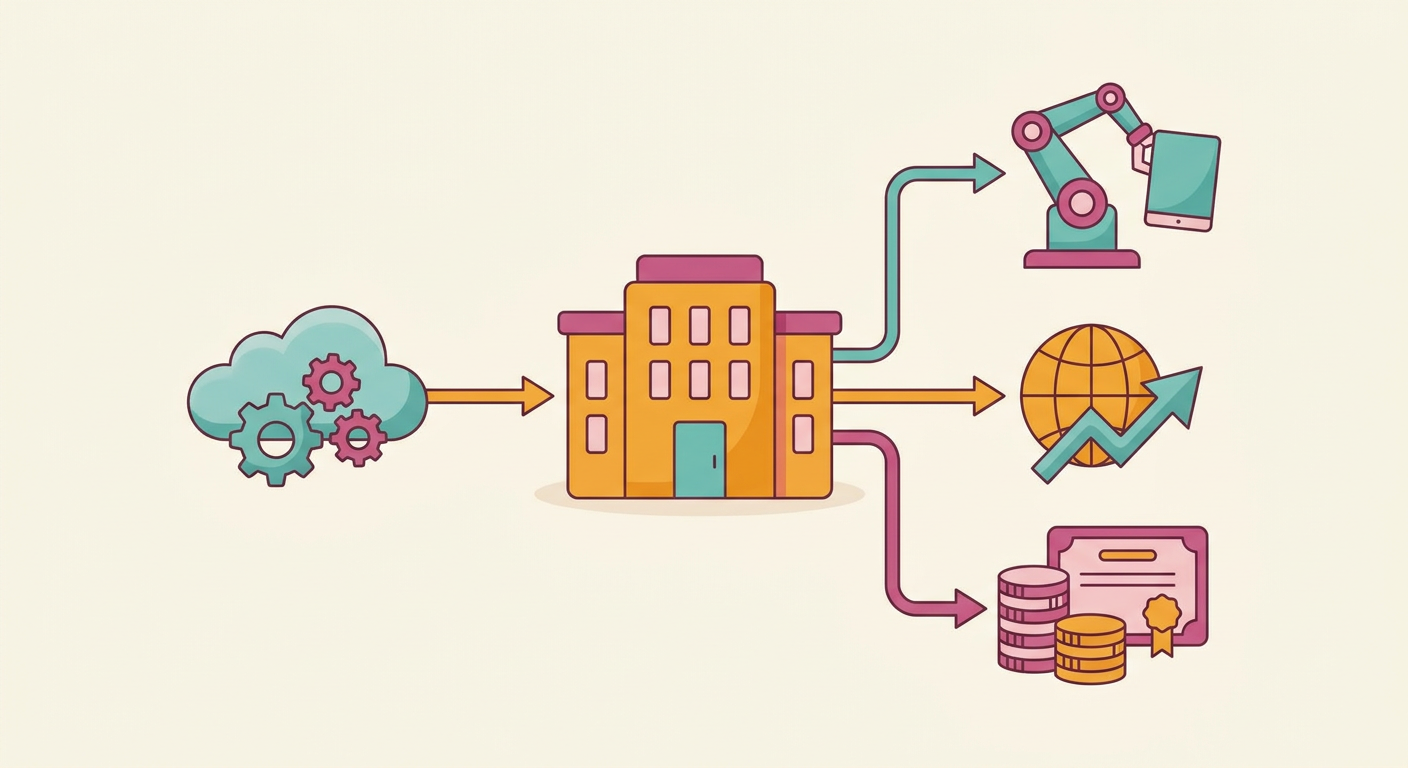
EDG projects sit under Core Capabilities, Innovation and Productivity, or Market Access. Most software projects land in the first two.
Core Capabilities covers business strategy, financial management, human capital, service excellence and the systems that underpin them. A custom operations platform, an ERP built around your process, a customer portal that changes how you deliver.
Innovation and Productivity covers process redesign, automation and product development. Automating a workflow that consumes real manpower sits here naturally, and the manpower savings are the argument.
Market Access covers overseas expansion. Relevant if the software is what lets you serve a new market.
Pick the pillar that genuinely fits the outcome you are chasing. Assessors read a lot of proposals and a project dressed as innovation when it is really a systems upgrade reads exactly as that.
PSG or EDG: Which One Applies
| PSG | EDG | |
|---|---|---|
| What it funds | Pre-approved packaged solutions from a list | Projects you define, no vendor list |
| Support | Up to 50% of qualifying costs | Up to 50% for SMEs, 30% for non-SMEs |
| Cap | S$30,000 per company per financial year | No fixed cap, assessed per project |
| Effort to apply | Low. Pick a listed solution | High. Project proposal with a business case |
| Processing | Around 4 to 6 weeks | Roughly 8 to 12 weeks |
| Custom software | Not eligible | This is the route |
Sources: EnterpriseSG Enterprise Development Grant, TechDirectory – Enterprise Development Grant (EDG) Singapore, EnterpriseSG Productivity Solutions Grant
The honest guidance: if a pre-approved package genuinely fits your process, use PSG. It is faster, simpler and the money arrives with far less work. EDG earns its extra effort when no listed solution fits, which is precisely when a custom build is the right answer anyway. Our PSG guide covers the packaged route.

What a Strong Proposal Contains
EDG is assessed, not processed, so the proposal is the work. What consistently reads well:
- A problem stated in numbers. "Quotations take 4 hours each and we lose roughly 2 deals a month to slow turnaround" beats "our processes are inefficient".
- A defined outcome with a measure. What changes, by how much, and how you will know. Assessors are looking for capability that persists after the project, not a purchase.
- Clear scope and deliverables. These become your claim milestones, so vagueness here creates problems at reimbursement.
- A costing that maps to the qualifying categories. Third-party consultancy, software and equipment, internal manpower. Costs outside those categories are not fundable, so do not build the case on them.
- Evidence you can execute. Named internal owner, realistic timeline, a vendor who has done comparable work.
Where applications weaken: a project that is really business-as-usual spending, an outcome nobody can measure, a timeline that assumes the grant funds the work, or a scope so loose the claim cannot be evidenced.
The Sequence That Works
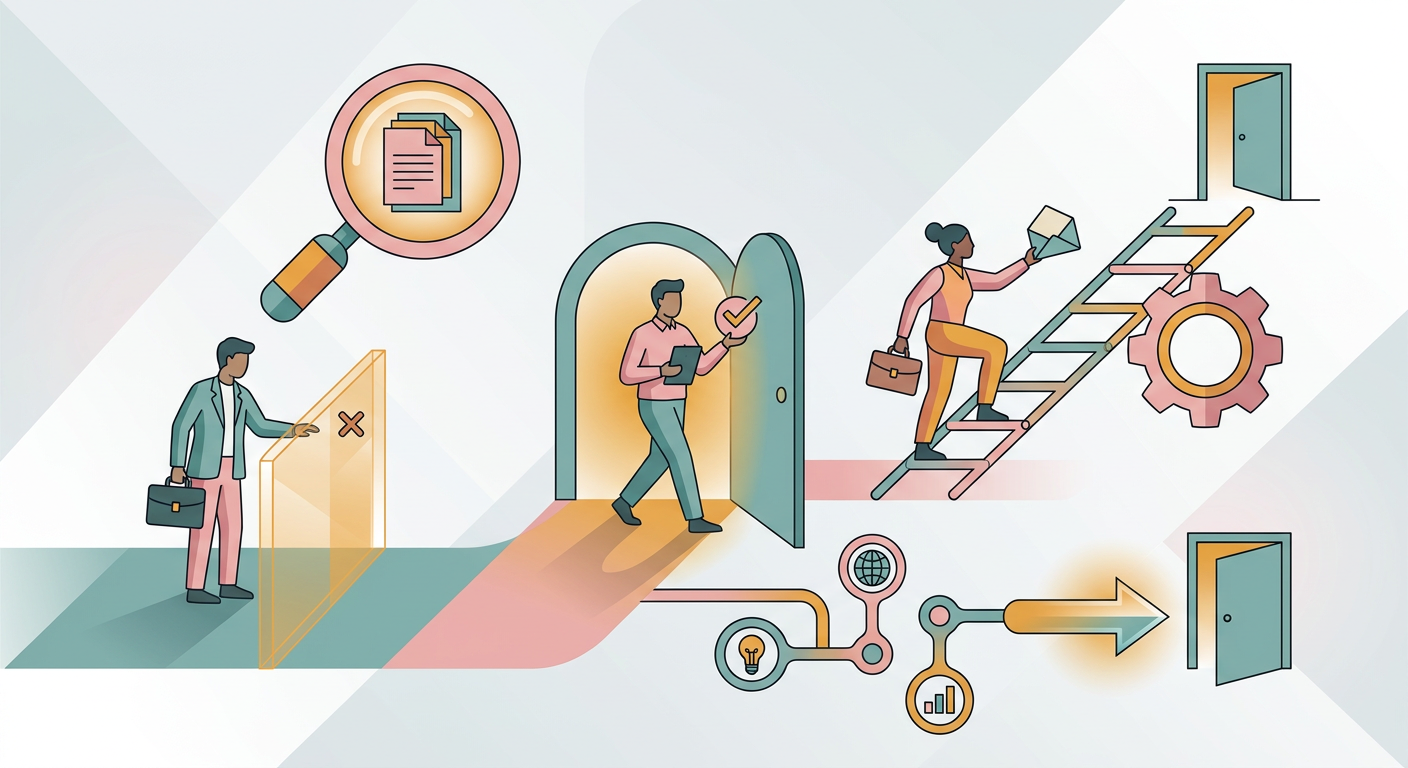
- Scope the project properly first, including a fixed vendor quote. You cannot write a credible costing without one.
- Do not pay or sign anything. A quote is fine. A deposit is not.
- Choose the pillar that genuinely matches the outcome.
- Write the proposal with the numbers, the measurable outcome and milestone-shaped deliverables.
- Submit via the Business Grants Portal and expect roughly 8 to 12 weeks.
- Wait for the Letter of Offer, accept it, then start.
- Deliver against the milestones, keeping evidence as you go rather than reconstructing it at claim time.
- Submit the claim after deliverables are met.
Realistically, from deciding to do a project to work beginning is three to four months. Plan around that rather than being surprised by it.
Source: SG Grant Advisor – EDG overview
A Note on What Is Changing
Grant schemes are periodically restructured, and a new EDGE grant has been signalled for the second half of 2026 with details still pending at the time of writing. Companies planning a project now can apply under the current EDG. Because terms move, verify the current position on the EnterpriseSG site before you build a budget on any figure here, including ours.
Frequently Asked Questions
How much does the EDG cover?
Up to 50% of qualifying project costs for SMEs and up to 30% for non-SMEs. There is no fixed cap; the amount is assessed per project. Qualifying costs are third-party consultancy fees, software and equipment, and internal manpower.
Sources: EnterpriseSG Enterprise Development Grant, TechDirectory – Enterprise Development Grant (EDG) Singapore
Who is eligible for the Enterprise Development Grant?
Businesses registered and operating in Singapore with at least 30% local shareholding, financially viable, and assessed on group figures. The SME support level applies at group turnover not more than S$100 million or group employment not more than 200.
Can I use EDG for custom software?
Yes, and it is the correct route. PSG only funds pre-approved packaged solutions, so a custom build cannot use it. EDG has no vendor list and funds consultancy, software and internal manpower on a project you define.
Source: EnterpriseSG Enterprise Development Grant
What is the difference between PSG and EDG?
PSG buys a listed solution with low application effort, typically capped at S$30,000 per company per financial year and processed in a shorter timeframe. EDG funds a project you define with no fixed cap, requires a full proposal, and takes roughly 8 to 12 weeks. If a listed package fits, use PSG.
Sources: EnterpriseSG Productivity Solutions Grant, SG Grant Advisor – EDG overview
Can I apply for EDG after starting the project?
No. The project must not have commenced. Any payment, deposit or signed contract before your application is submitted and the Letter of Offer accepted may disqualify it. This is the most common reason applications fail.
Source: EnterpriseSG EDG FAQ
How long does EDG take?
Roughly 8 to 12 weeks for assessment, plus the scoping and proposal work beforehand. From deciding to do a project to starting work, plan for three to four months.
Source: SG Grant Advisor – EDG overview
Talk It Through
If you are scoping a software project and want to know whether it fits EDG, whether PSG would be faster, or what a fundable scope looks like, get in touch. We will tell you which route fits, including when the answer is a packaged solution rather than a build. See also our guide to custom software costs in Singapore.