InvoiceNow and the GST E-Invoicing Mandate: What Singapore SMEs Must Do
The InvoiceNow Timeline Every SME Needs to See
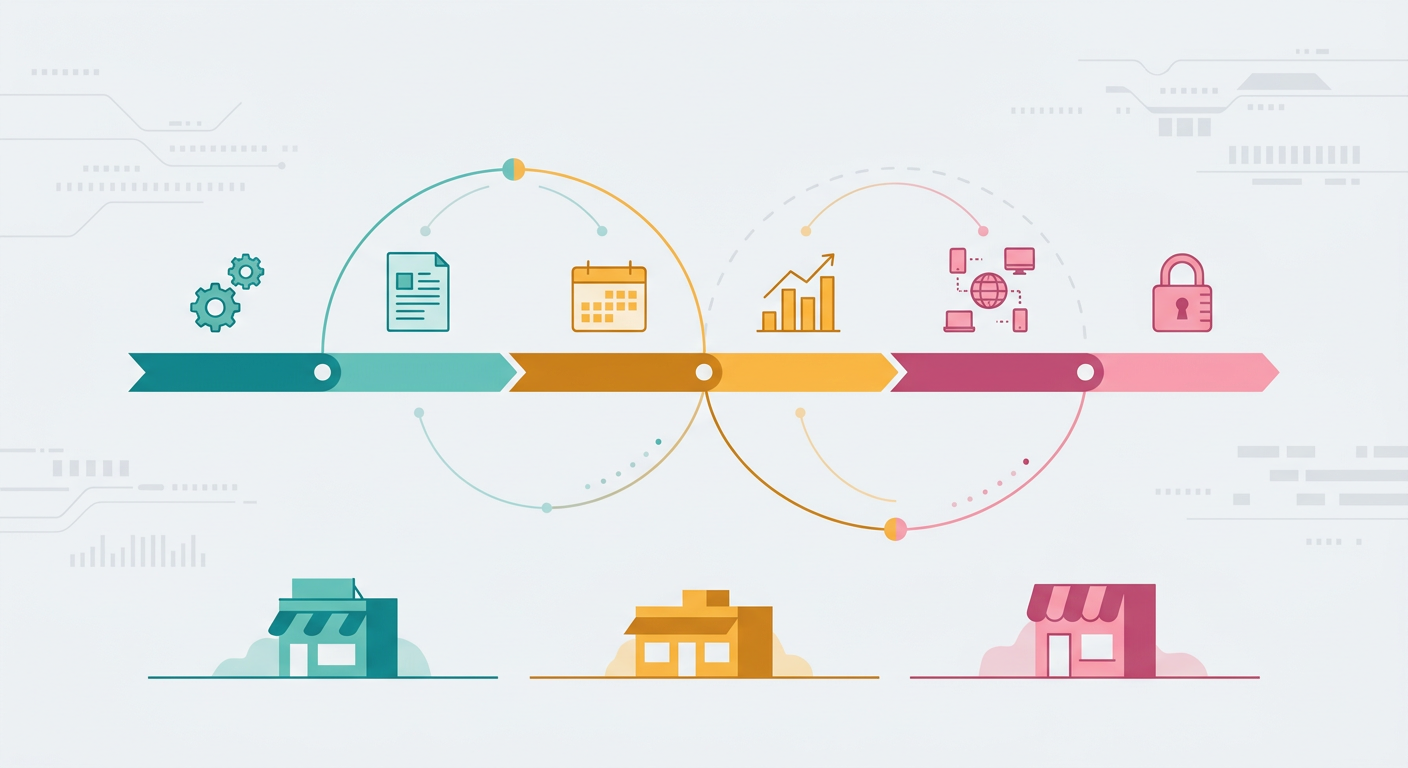
Singapore is phasing in mandatory structured e-invoicing for GST-registered businesses. PDFs are being replaced by Peppol-format data transmitted directly to IRAS — and your deadline depends on when you registered and your annual sales.
Six phases from November 2025 through April 2031.
- 1 Nov 2025Voluntary GST registrants within 6 months of incorporationLive
- 1 Apr 2026All new voluntary GST registrantsLive
- 1 Apr 2028New compulsory registrants & existing businesses with sales up to S$200KNext
- 1 Apr 2029Existing businesses with sales up to S$1MFuture
- 1 Apr 2030Existing businesses with sales up to S$4MFuture
- 1 Apr 2031All remaining GST-registered businessesFinal
Emailed PDF
A picture of an invoice. Free-text descriptions tolerated; inconsistencies hidden until filing.
Peppol Data
Structured document sent over the InvoiceNow network. Fields validated; data flows to IRAS in real time.
Customers Move First
Larger buyers on InvoiceNow increasingly require suppliers who can exchange structured invoices — before your legal deadline.
It's a Data Project
Cleaning customer UENs, GST mappings, and free-text fields takes months, not weeks. The transmission is the easy part.
System Choices Change
If you're selecting an ERP now, InvoiceNow readiness must be a scoring criterion. Retrofitting later costs more.
Seven practical steps before your phase date.
- 01Confirm your dateCheck your applicable phase with IRAS directly.
- 02Ask your vendorIs the product InvoiceNow Ready today? Get it in writing.
- 03Audit customer dataCount records missing a valid UEN. That's work item one.
- 04Audit GST mappingEvery line needs a defensible, consistent tax treatment.
- 05Check IMDA fundingSMEs may access InvoiceNow Ready solutions at no cost. Verify terms.
- 06Test with one customerRun real invoices with a willing counterparty before deadline.
- 07Fix the exceptionsCredit notes, multi-currency, partial deliveries — test these specifically.
What Is Actually Changing
Singapore is phasing in a requirement for GST-registered businesses to transmit invoice data to IRAS through InvoiceNow, the national e-invoicing network built on the Peppol standard and introduced by IMDA in 2019.
Sources: KPMG on Singapore e-invoicing compliance deadlines, Hawksford InvoiceNow guide. Confirm your own date against IRAS, which is the authority here.
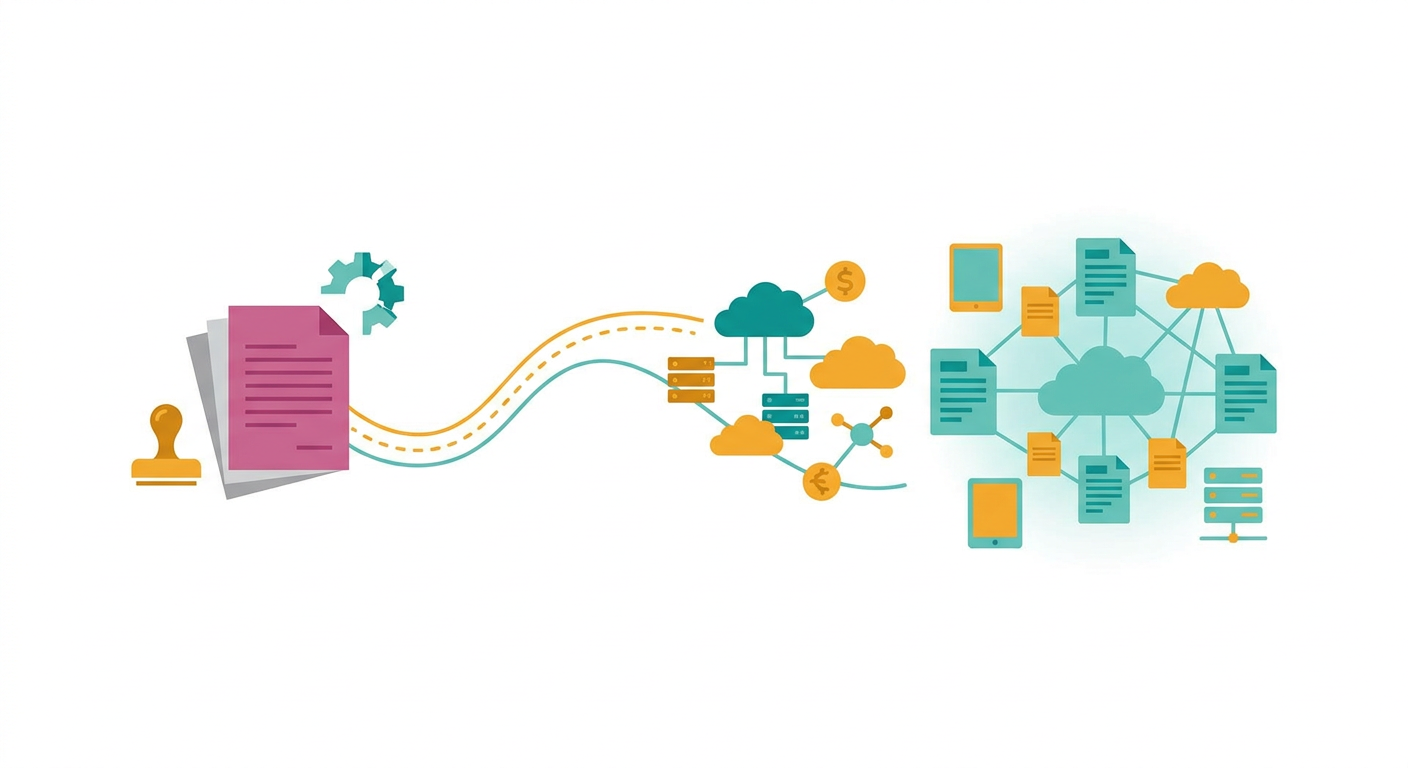
The practical shift is bigger than it sounds. Today most SMEs email a PDF invoice. Under the requirement, invoice data moves as a structured document over a network, and the data goes to IRAS. A PDF is a picture of an invoice. A Peppol document is the invoice as data, which means your system has to hold that data correctly rather than merely print it nicely.
The Phase Dates
The requirement is being extended progressively, with newly registered and smaller businesses first and the largest existing registrants last:
| Date | Who it applies to |
|---|---|
| 1 November 2025 | Businesses that voluntarily registered for GST within six months of incorporation |
| 1 April 2026 | All new voluntary GST registrants |
| 1 April 2028 | New compulsory registrants, and existing GST-registered businesses with annual sales up to S$200,000 |
| 1 April 2029 | Existing businesses with annual sales up to S$1 million |
| 1 April 2030 | Existing businesses with annual sales up to S$4 million |
| 1 April 2031 | All remaining GST-registered businesses |
Source: IRAS GST InvoiceNow Requirement
IRAS has indicated it will inform GST-registered businesses that were registered before 2026 of their respective mandatory implementation date by mid-2026. Do not wait for the letter to start thinking about it, and do check your own position directly with IRAS rather than relying on any summary, including this one.
Source: IRAS GST InvoiceNow Requirement
Why 2028 Is Not "Years Away"
If you are an existing registrant, your date is probably 2028 or later and it is tempting to file this under "later". Three reasons not to:
Your customers move before you do. Larger buyers already on InvoiceNow increasingly prefer, and sometimes require, suppliers who can receive and send structured invoices. This tends to become a procurement requirement well before it becomes a legal one for you.
It is a data problem, not a switch. The transmission is the easy part. The hard part is that structured invoicing exposes every inconsistency in your master data. Customer records with no UEN, product lines with unclear GST treatment, free-text descriptions where a code belongs. Cleaning that takes months, not weeks.
It changes your system selection today. If you are choosing or building an ERP now, InvoiceNow readiness should be a requirement in that decision. Retrofitting it later costs more than specifying it now.
What It Means for Your System
You Need an Access Point
Peppol works through accredited Access Points. You do not connect to IRAS directly. Either your accounting or ERP software includes InvoiceNow capability, or you connect through a service provider. IMDA maintains a list of InvoiceNow Ready solutions, and this is the first thing to check with your current vendor: ask whether their product is InvoiceNow Ready today, not on a roadmap.
Your Data Has to Be Clean
Structured invoicing validates. Where a PDF tolerated a vague description, a Peppol document expects defined fields. Practically this means:
- Customer records need correct, complete identifiers including UEN
- Every product or service line needs a consistent GST treatment, correctly mapped
- Units, currencies and tax categories need to be coded rather than typed as free text
- Credit notes and adjustments need to reference the original document properly
This is the real work. Budget for it as a data project with a system component, not the other way round.
Your Reporting Changes
Invoice data going to IRAS as transactions occur, rather than only in a periodic return, tightens the link between your operational records and your tax position. Discrepancies that used to be smoothed over at filing become visible earlier. That is a good discipline, but it is a discipline.
A Practical Readiness Checklist
- Confirm your date. Check your applicable phase with IRAS directly, based on your registration type and annual sales.
- Ask your software vendor one question. Is the product InvoiceNow Ready today, and what exactly does enabling it involve? Get the answer in writing.
- Audit your customer master data. How many records lack a valid UEN or complete details? That number is your first work item.
- Audit your item and GST mapping. Every line needs a defensible, consistent tax treatment.
- Check what funding applies. Government support has been made available for InvoiceNow adoption, and SMEs have been able to access InvoiceNow Ready solutions at no cost for a defined period. Verify current terms with IMDA before you buy anything.
- Test with one customer. Pick a willing counterparty already on the network and run real invoices before your deadline, not after.
- Fix the exceptions. Credit notes, multi-currency invoices, partial deliveries and progress claims are where implementations break. Test those specifically.
If You Are Choosing a System Right Now
Make InvoiceNow a scoring criterion rather than a footnote. Ask any vendor to demonstrate a real structured invoice going out and a real one coming in, on their product, today. A roadmap commitment is not a demonstration.
For custom builds, the same applies with one addition: the Peppol document structure should be handled properly at the data layer rather than bolted on as an export. We build InvoiceNow handling into the systems we deliver for exactly this reason, since progress claims, multi-currency and credit notes are where a bolted-on export fails first. Our InvoiceNow Singapore page covers the implementation side, and contractors should also read our construction progress claims guide, since claims are a notably awkward case.
Frequently Asked Questions
When does the GST InvoiceNow requirement apply to my business?
It depends on your registration type and size. New voluntary registrants have been covered since 1 April 2026. Existing registrants are phased from 1 April 2028 for those with annual sales up to S$200,000, 2029 up to S$1 million, 2030 up to S$4 million, and 2031 for the remainder. Confirm your specific date with IRAS.
What is InvoiceNow?
Singapore's national e-invoicing network, built on the international Peppol standard and introduced by IMDA in 2019. It lets businesses send and receive invoices as structured data rather than PDFs or paper, and under the GST requirement, transmits invoice data to IRAS.
Do I need new software to comply?
Not necessarily. You need a route onto the Peppol network, either through accounting or ERP software that is InvoiceNow Ready, or through a service provider acting as your Access Point. Ask your current vendor whether the capability exists today.
What is the hardest part of getting ready?
Data quality, not connectivity. Structured invoices validate fields that a PDF tolerated as free text, so incomplete customer identifiers and inconsistent GST mapping surface immediately. Start the data cleanup well before your deadline.
Is there funding to help with InvoiceNow adoption?
Government support has been made available for adoption, including access to InvoiceNow Ready solutions for SMEs. Terms and eligibility change, so verify the current position with IMDA before committing to a purchase.
Does InvoiceNow affect construction progress claims?
Yes. Progress claims are invoices for this purpose and are not exempt. Because claims are cumulative and often involve certified amounts differing from claimed amounts, they are one of the harder cases to get right, so test them specifically.
Talk It Through
If you are working out what the mandate means for your systems, or choosing an ERP and want InvoiceNow handled properly rather than bolted on, get in touch. We will give you a straight read on what needs to change and when.