Beyond Borders - Multi-Brand Business Networking Platform
Beyond Borders is a Singapore-based business-networking organisation that brings entrepreneurs and professionals together across multiple branded communities under one roof. Rather than running a single membership group, it operates several distinct sub-brands - each with its own identity, members, events, and deal flow - while sharing one underlying platform. Digital 9 Labs was engaged to build the software that runs this multi-brand model.
An organisation that hosts many communities at once faces a recurring set of problems. Each brand wants its own look, its own members, and its own private data - one community's contacts, opportunities, and events should never leak into another's. At the same time, leadership needs a single system to administer everyone, and members who belong to more than one community want to move between them without juggling separate logins. Layered on top is the ordinary work of running a network: tracking relationships and deals, organising events, listing member offers, and handling the commercial side - quotes, invoices, and payments. Doing all of this in spreadsheets and disconnected tools makes clean separation between brands almost impossible and creates constant administrative drag.
How we helped
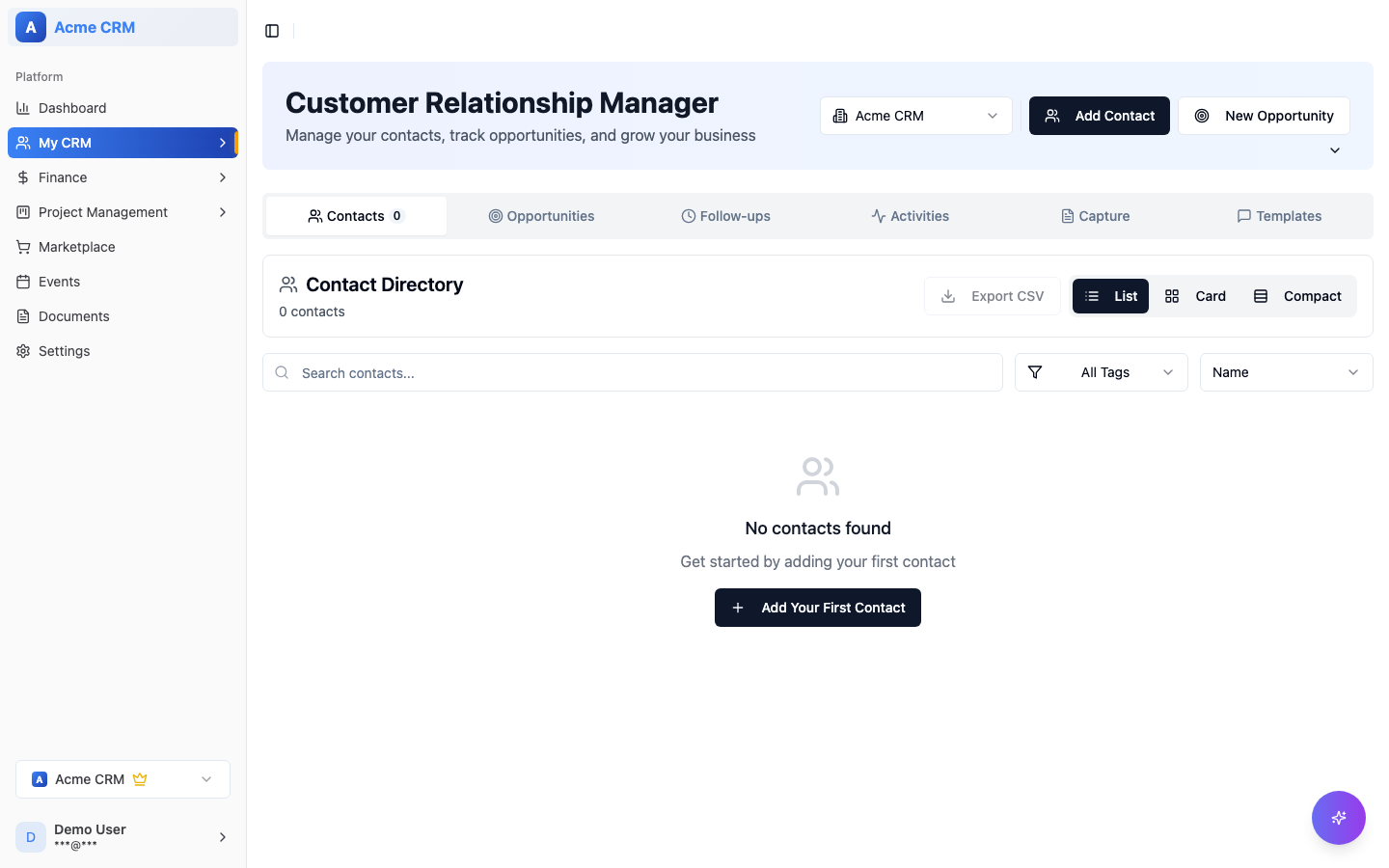
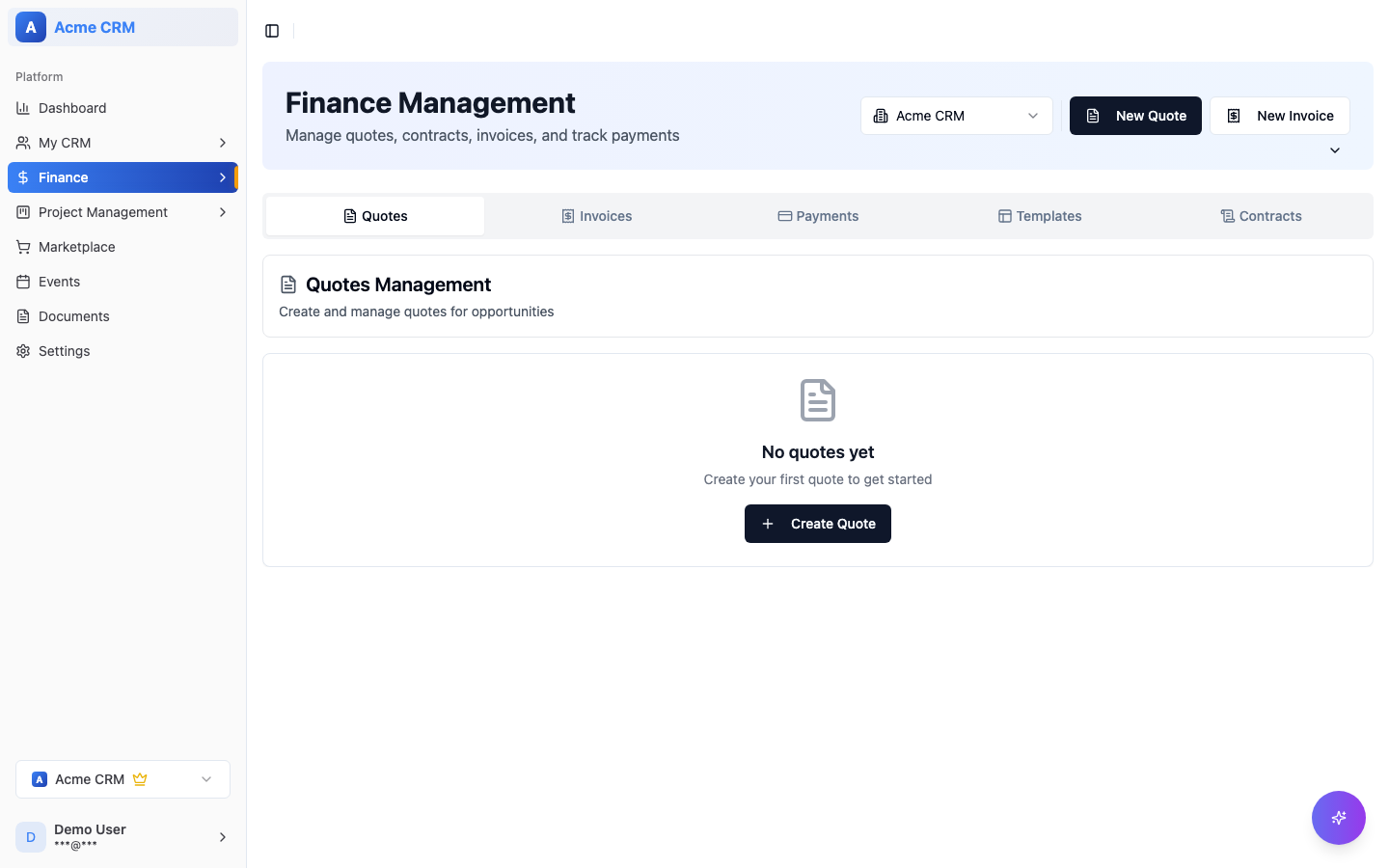
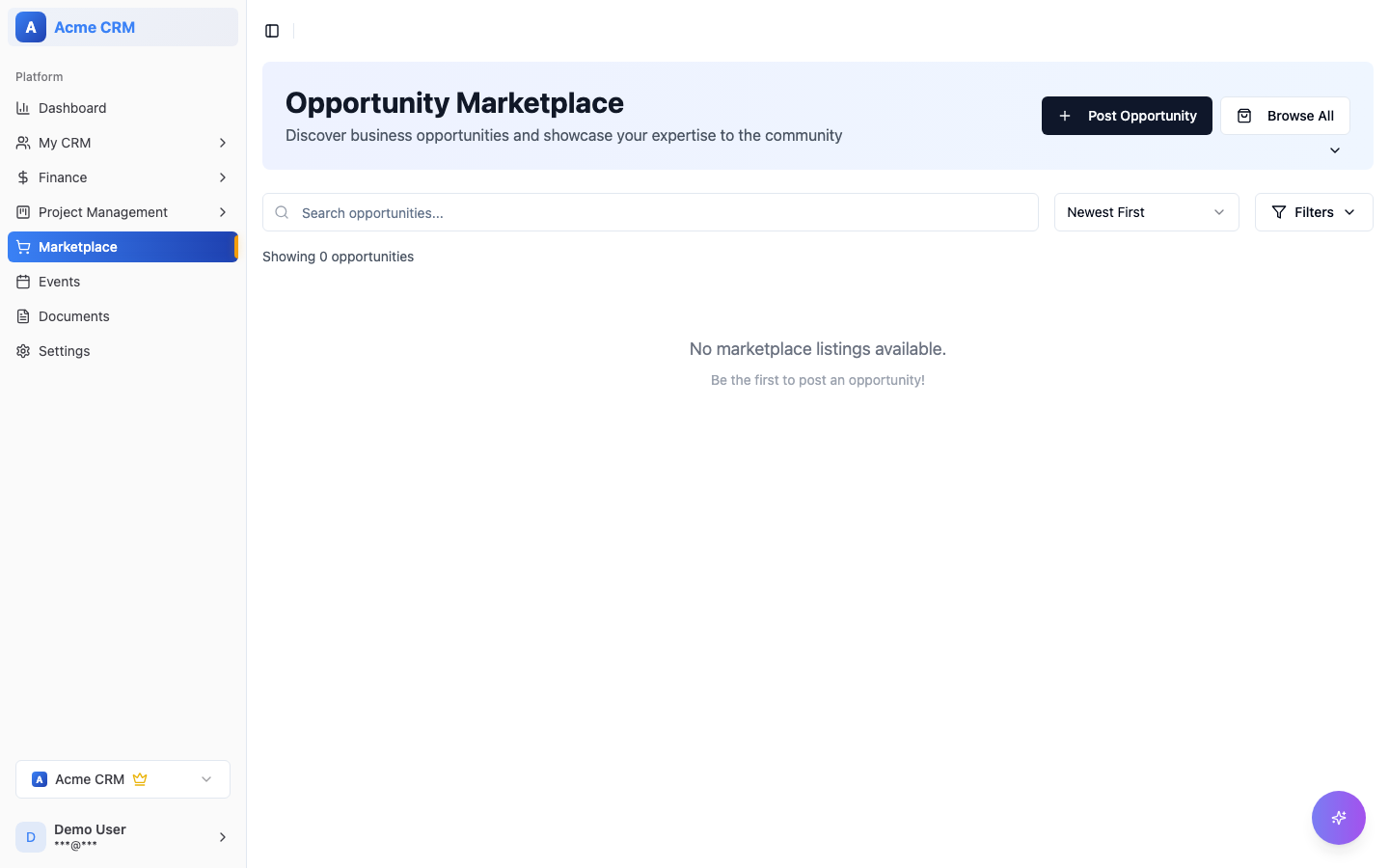
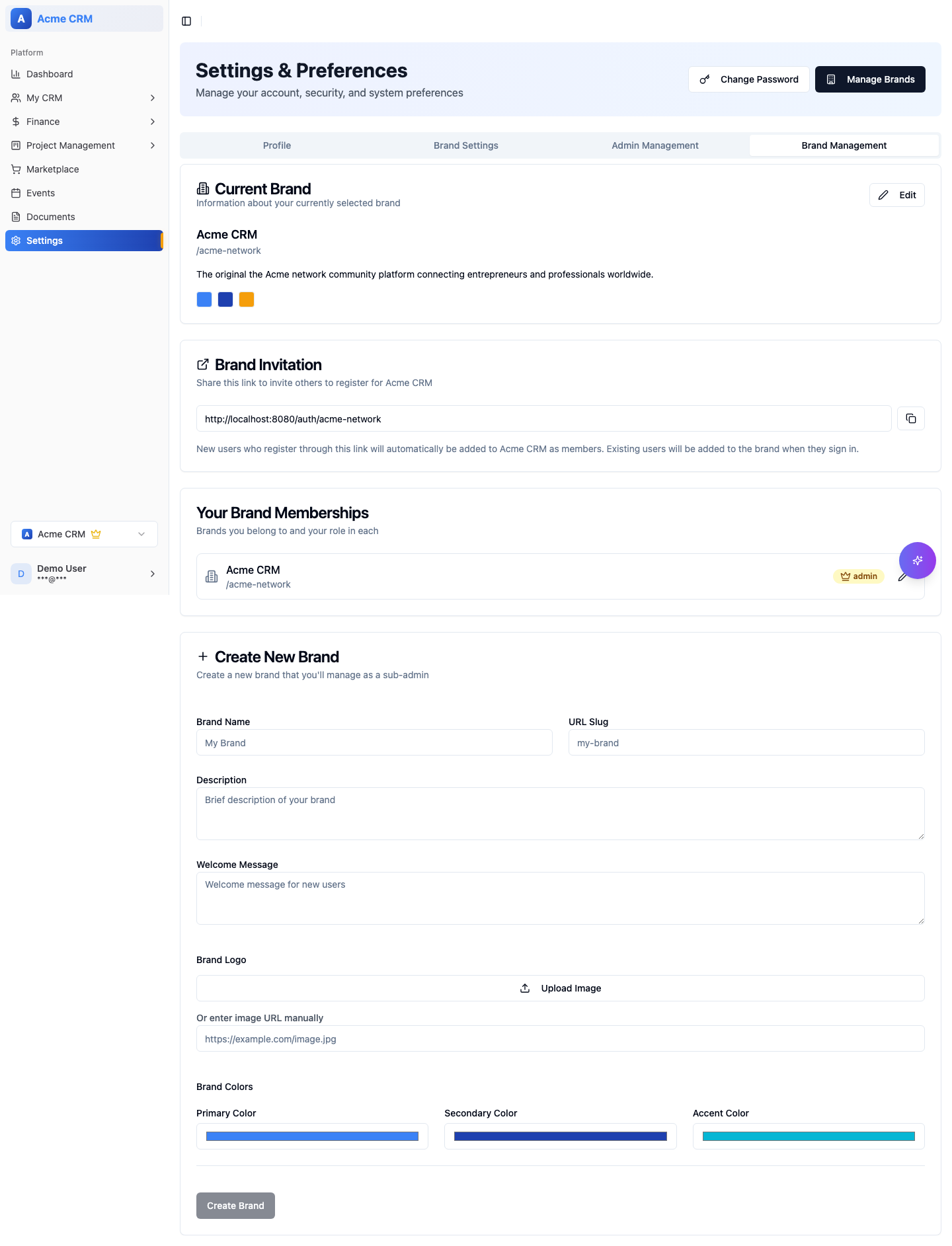
We built Beyond Borders a single multi-brand platform that combines a CRM, event management, a member marketplace, and a finance module - all organised around the idea of separate branded communities. Each brand gets its own branded sign-in page and visual identity, and its data is kept strictly separate from every other brand using database-level security rules, so members only ever see their own community's contacts, deals, and events. A member can belong to several brands at once and switch between them from a single account, while administrators get tiered access - ordinary members, sub-admins who run their own brand, and full administrators who oversee the whole platform. Around this core we added relationship and pipeline tracking, event and marketplace listings, member invitations by email, and a finance area covering quotes, invoices, contracts, and payments.
What other businesses can take from this:
- If you run more than one brand or community, one shared platform with strict data separation beats maintaining a separate system per brand - you get central administration without mixing anyone's data.
- Enforce data isolation at the database layer, not just by hiding things in the interface, so one group's information can never accidentally surface in another's.
- Let a single login carry someone across multiple communities they belong to - it removes friction and keeps members engaged rather than locked into one silo.
- Tiered roles (member, brand manager, full administrator) let you delegate day-to-day brand management while keeping overall control at the top.
- Networking organisations get the most value when relationships, events, member offers, and billing live in one place, instead of being scattered across separate tools.